Dementia and Hearing Loss
(Is there a link?)
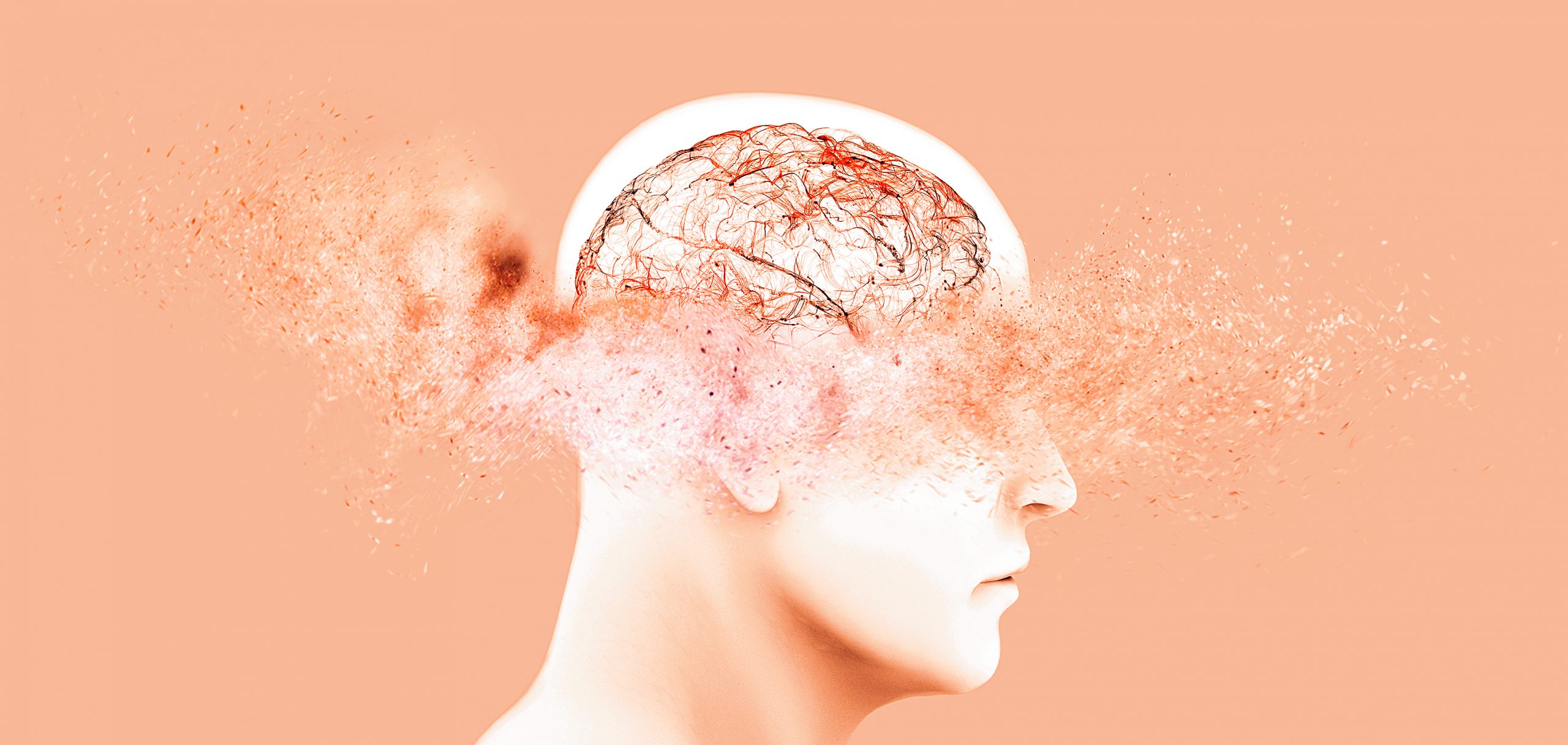
Is there a link between dementia and hearing loss? Yes! According to recent research, studies show the risk of getting dementia almost doubles if you have a mild untreated hearing loss. With a severe untreated hearing loss, you are five times more likely to develop dementia.
Hearing loss is a common part of ageing. Over 18 million adults in the UK have hearing loss or tinnitus, and over half the population aged 55 and over has hearing loss. When we think of dementia, we often focus on memory loss, ageing, and genetics. But one risk factor that is often overlooked is hearing loss.
What is Dementia?
Dementia is a syndrome (a group of related symptoms) that affects memory, thinking, behaviour and emotion. There are many different types of dementia, and many causes. Research shows that 1 in 11 people over the age of 65 have dementia in the UK. It is estimated that by 2030 more than 1 million people living in the UK will have dementia.
Alzheimer’s disease is the most common type of dementia and accounts for 60-80% of cases. Vascular dementia occurs because of microscopic bleeding and blood vessel blockage in the brain and is the second most common type or of dementia.
Symptoms can include problems with:
Memory loss
Thinking speed
Mental sharpness and quickness
Language such as using words incorrectly, or trouble speaking
Understanding
Judgement
Mood
Movement
People with dementia can lose interest in their usual activities and have problems managing their behaviour or emotions. Their personality may change and they may lost empathy. They may struggle to look after themselves and need help making decisions. You can read more about dementia symptoms here.
Why would hearing loss affect the brain?
There are a number of reasons why hearing loss can affect the brain, such as:
Cognitive Load
For people with hearing loss, the brain works harder to process sounds. This extra effort can take brain power away from memory and thinking.
Brain structure changes
Hearing loss has been shown to be linked to faster shrinkage of certain areas of the brain. Areas responsible for processing sounds and memories are affected by untreated hearing loss. You can read more about the research here.
Social isolation
People with hearing loss may withdraw from social situations if they are struggling to hear. Social isolation can increase a person’s risk of dementia by about 60%.
Can hearing aids help?
Yes! According to Alzheimer’s Society, encouraging people to wear an effective hearing aid may help to protect their brains and reduce their risk of developing dementia. This finding is based on research conducted by the University of Exeter and King’s College London where over 25,000 people aged 50 or over were studied online.
To back this up, a new study involving over half a million adults in Southern Denmark indicates that hearing loss is associated with increased dementia risk, especially among people not wearing hearing aids. Dr Leah Mursaleen, Head of Clinical Research at Alzheimer’s Research UK said: ““Although the effects of using hearing aids are notoriously difficult to unravel, because researchers cannot be sure if people use them consistently, there is building evidence suggesting that using them can help reduce the impact of hearing loss on dementia risk.”
What can you do?
Regular hearing checks
Hearing checks, especially after the age of 50, are recommended to keep an eye on your hearing. Every two years, like an eye test, unless you notice a change in your hearing sooner.
Don’t ignore the signs
Don’t ignore signs like asking people to repeat themselves or turning up the TV volume. If you notice that you’re struggling to hear, don’t just get on with it. Speak to your GP or visit an independent audiologist for a hearing test. Not sure if you need a test? Check out out blog here.
Consider hearing aids
If you’ve had a hearing test and hearing aids have been recommended, it’s worth considering them. If you’re unsure about your test results, it’s a good idea to get a second opinion. Many independent clinics offer hearing aid trials, allowing you to try before you buy. The NHS also offers modern hearing aids so it’s worth speaking to your GP.
Stay socially active and engaged
It’s been proven that social isolation can increase the risk of developing dementia. Staying socially engaged promotes positive mental health and keeps your brain active for longer. If you are struggling to hear, don’t withdraw from social situations. Be open about your hearing loss with those around you (if you feel comfortable enough).