
What Causes Earwax Build-Up?
(And When to See a Professional)
One of our most asked questions at Leeds Audiology Clinic is “What causes earwax build-up?” And, simply put, earwax builds up when it’s produced faster than it can naturally fall out of your ears.
What is Ear Wax?
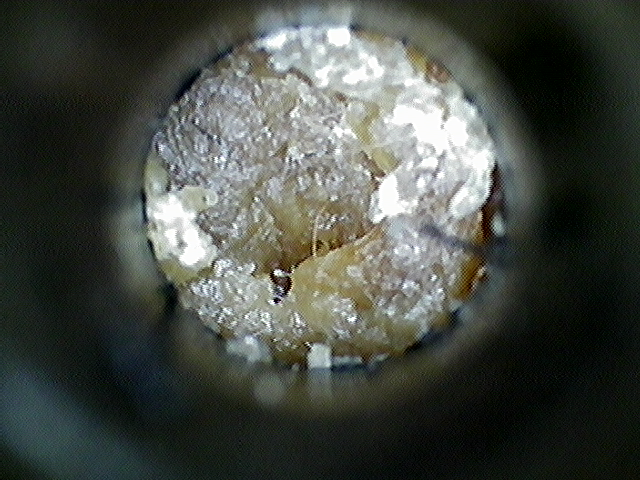
Earwax is a natural mix of oil, fats, sweat and dead skin found in the ear canal. Its purpose is to help protect your eardrum and ear canal from dust, dirt and bacteria. Wax glands in the outer half of the ear canal secrete substances that mix with the dust, dirt, oils and bacteria to create wax. The secretions lubricate the ear canal and prevent the skin from becoming too dry. The skin in the ear canal grows outwards and this growth naturally pushes the wax out of the ears.
What causes earwax build-up?
Anatomy of the ear canal
In many cases, a build-up of ear wax is caused by the shape of the ear canal. Narrow, curved or hairy ear canals can stop the wax from naturally moving out of the ear canal. Other factors such as bony outgrowths can block the progress of earwax.
Hearing aids and headphones
Regular use of hearing aids and headphones can create a barrier that stops the wax from naturally migrating out of the ear. They can also stimulate the wax glands which leads to an over production of wax.
Cotton buds
We know that using a cotton bud can feel so satisfying, especially if your ears feel itchy. But it’s not recommended to put anything smaller than your elbow in your ear. Using cotton buds often pushes the wax further in towards the ear drum which can reduce your hearing and in some cases cause damage to the drum. There is a risk of the cotton bud detaching and getting in your ear which can further reduce hearing and cause pain and discomfort.
Overproduction of ear wax
Some people are genetically predisposed to naturally produce excessive amounts of wax or wax that is drier or stickier and therefore more difficult to fall out naturally. Environmental factors can also play a part such as frequent exposure to dusty or dirty environments as the ear produces more wax to protect the eardrum. High levels of stress increase cortisol which can then trigger the glands to produce extra wax.
Skin conditions
Some conditions such as eczema, psoriasis or infections can cause dry flaky skin which mixes with the wax and leads to more frequent blockages.
Aging
As we get older, earwax tends to naturally become more dry and and hard which makes it much more difficult to fall out naturally. Also other factors such as wearing hearing aids later in life can push the wax further into the ear.
What are the symptoms of a wax build-up?
Symptoms of a wax build-up include:
Earache (as the wax builds up and hardens, it can press against the ear canal causing pain)
Itchiness in the ear canal
Dizziness (ear wax blockage can occasionally cause dizziness and a feeling of unbalance)
Tinnitus (excess ear wax can give a sense of buzzing or ringing in the affected ear)
When to see a professional
Generally, you shouldn’t have to do anything about ear wax, unless it is causing a problem. The ear is self-cleaning and, if functioning correctly, the wax should just work its way out on its own. However, occasionally wax can become lodged on the canal wall and subsequently cause a blockage. Normally once this build-up starts, it will just continue unless it is washed or suctioned out. Eventually, the ear wax plug will grow to fill the ear canal and it is only then that you will really be aware of it.
Usually, the first indication you have a problem is when water gets into the ear during swimming or showering. Water causes the ear wax to swell and it blocks the ear canal or becomes trapped behind it making everything sound ‘underwater’. If the wax build up has got to the stage where it is causing deafness, tinnitus or is uncomfortable, it needs to be removed.
How to book an appointment
To book an appointment at Leeds Audiology Clinic, you can visit our website here.
You can send an email to hello@leedsaudiologyclinic.co.uk or call 0113 8800 190.
Don’t forget to follow us on Facebook and Instagram!